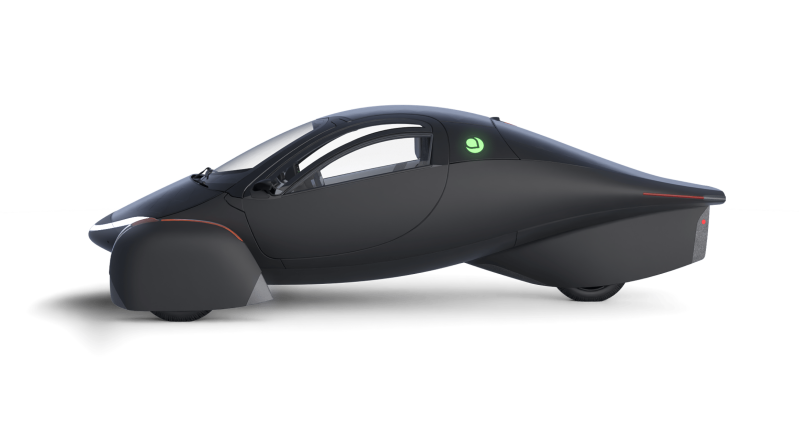
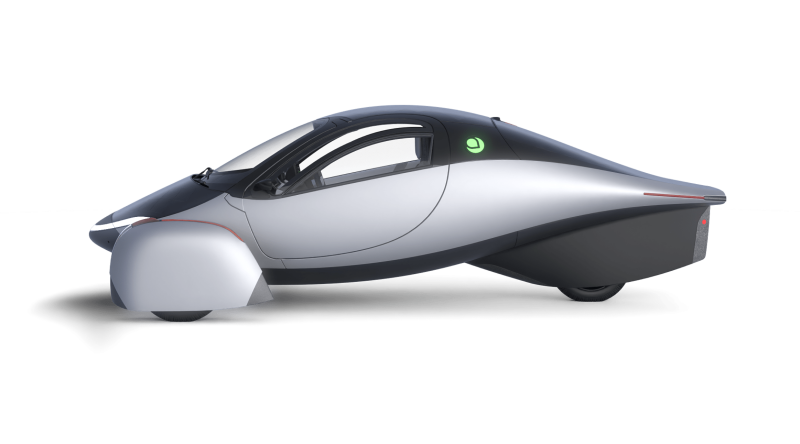
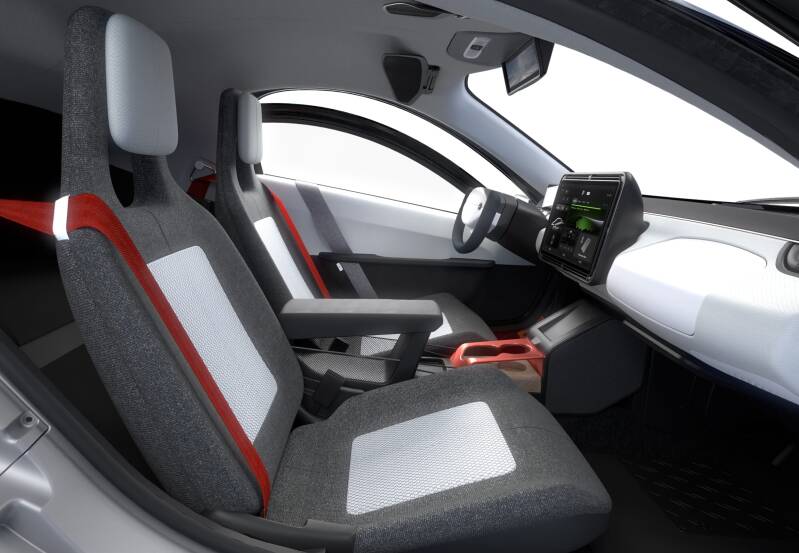
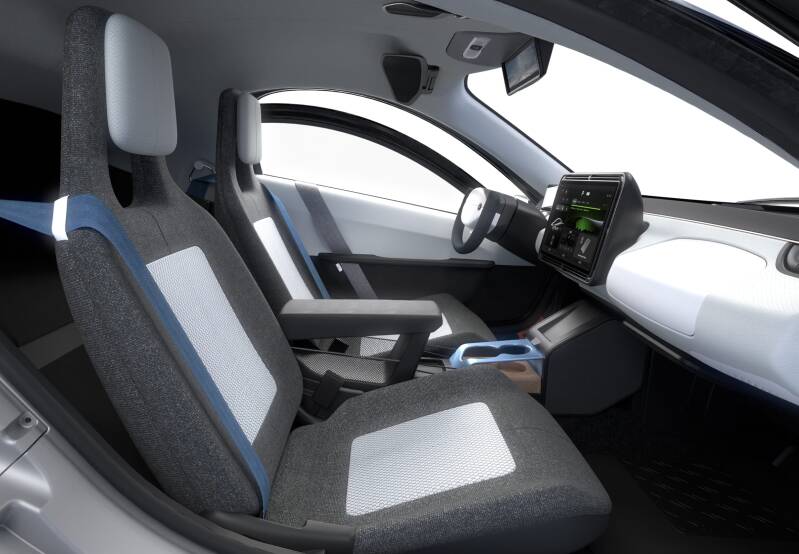
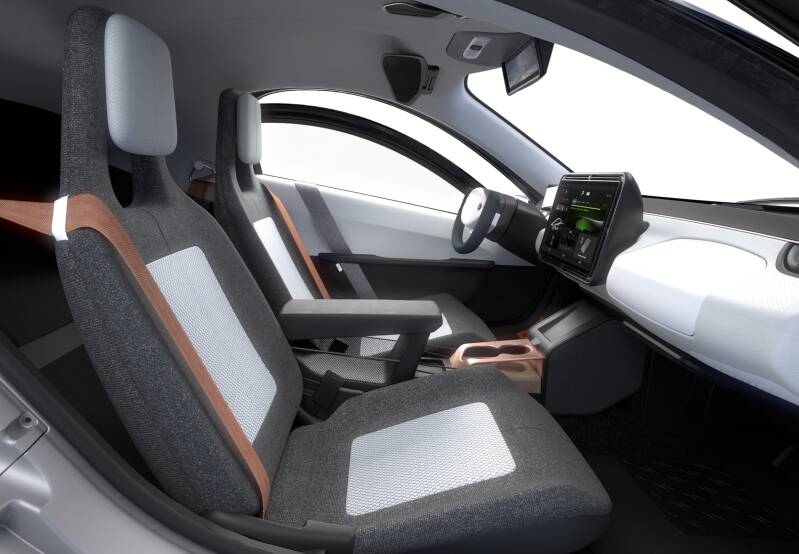
“Drive with the sun, reclaim freedom, protect our planet.”

At NISHW, we recognize that the future is shaped by the choices we normalize today. True progress honors the intelligence of nature while advancing human ingenuity. The Aptera Solar 🌞 EV emerges from this understanding—a vehicle born of sunlight🌞, efficiency, and purpose. By dissolving the boundary between energy and movement, Aptera signals a new era of transportation—one that restores harmony between humanity, technology, and the planet, and invites us to move forward without extraction, excess, or compromise.
Aptera: The Solar🌞 Vehicle That Redefines Transportation, Ownership, and Environmental Harmony
A Return to Intelligent Design—On Wheels
For over a century, transportation has followed a deeply flawed paradigm: heavy machines, excessive energy consumption, environmental extraction, centralized dependency, and perpetual inefficiency disguised as progress.
The Aptera Solar 🌞 Electric Vehicle is not an incremental improvement on that system.
It is a biological-level correction.
Aptera does not merely move people from point A to point B—it restores harmony between energy, environment, and individual autonomy. It represents a return to intelligence in motion.
The Environmental Crisis Is a Design Crisis
The environmental challenges facing our planet are not caused by movement itself—but by inefficient, extractive design.
Conventional vehicles require:
Continuous fuel extraction
Massive material waste
Centralized energy dependence
Persistent emissions—even when parked
Aptera dismantles this model entirely.
By harnessing direct solar 🌞 energy, extreme aerodynamic efficiency, and ultra-lightweight engineering, Aptera operates in alignment with natural law rather than in opposition to it.
This is not “less harm.” This is structural harmony.
Solar 🌞 Mobility: Energy From the Source, Not the Grid
Aptera’s integrated solar 🌞 array allows the vehicle to generate energy simply by existing in sunlight 🌞. No infrastructure. No cords. No dependency.
This is profound.
Sunlight 🌞—the most abundant, clean, and universally available energy source on Earth—becomes the primary fuel. Daily driving needs can often be met without ever plugging in.
From a holistic perspective, this mirrors biological systems:
Plants do not “refuel”—they convert light
The human body does not store infinite energy—it regenerates it daily
Aptera follows the same principle: continuous, passive renewal. Transportation finally becomes regenerative.
Environmental Impact: Less Extraction, Less Waste, More Life
Aptera’s environmental benefits are not cosmetic—they are foundational.
Radically reduced material usage
Minimal rolling resistance
Unmatched aerodynamic efficiency
Zero tailpipe emissions
Lower lifecycle footprint than conventional EVs
The vehicle requires less of everything—less energy, fewer resources, and less ongoing impact. This is not sustainability through sacrifice. It is sustainability through intelligence. When design is correct, conservation becomes effortless.
Ownership Reimagined: Independence Over Dependency
Modern vehicle ownership is increasingly defined by restriction:
Fuel price volatility
Charging infrastructure reliance
Subscription features
Software locks
Centralized control
Aptera quietly dismantles this dependency model.
Owning an Aptera is not merely owning a vehicle—it is reclaiming energetic sovereignty.
The sun does not invoice you.
The sky does not restrict access.
Energy becomes personal again.
This restores a deeply human principle: self-reliance through alignment, not force.
Personal Well-Being and Psychological Freedom
Holistic health extends beyond the body—it includes mental load, stress, and perceived autonomy.
Aptera reduces:
Energy anxiety
Cost unpredictability
Maintenance complexity
Environmental guilt
In its place, it offers:
Quiet, smooth motion
Minimal mechanical stress
A sense of participation in something regenerative
Ownership that feels empowering, not extractive
There is a subtle but profound psychological benefit to driving a vehicle that does not consume—it coexists.
Efficiency as a Moral Technology
Efficiency is not merely technical—it is ethical.
Aptera’s three-wheel design and extreme aerodynamics allow it to travel farther using exponentially less energy than conventional vehicles. This means fewer resources consumed per mile, per year, per lifetime.
In nature, efficiency is not optional—it is survival. Aptera does not impose this principle. It embodies it.
Decentralization: A Healthier System for Humans and Earth
Centralization breeds fragility.
Decentralization creates resilience.
By allowing individuals to generate their own transportation energy, Aptera supports a future where:
Energy systems are less vulnerable
Communities are more resilient
Infrastructure strain is reduced
Environmental recovery accelerates naturally
Just as biological systems thrive through distributed intelligence, so too does civilization.
A Vehicle Aligned With Natural Law
Aptera succeeds because it does not fight reality.
It works with physics, not against it
It honors energy conservation
It respects material intelligence
It mirrors biological efficiency
This is why it feels inevitable rather than experimental. The future does not belong to louder engines or larger batteries. It belongs to coherent design.
Conclusion: Mobility Without Compromise
Aptera is not a car trying to be greener.
It is a new category of movement—solar mobility with purpose.
For the environment, it represents restoration rather than mitigation.
For the individual, it represents ownership rather than dependence.
For society, it represents a quiet but irreversible shift toward intelligence over excess.
"This is what happens when technology stops dominating nature—and starts listening to it. Aptera isn’t merely a vehicle—it’s a revolution in motion.”